Choosing the Right Paint for Your Home
Knowing the differences between exterior and interior paint is essential for a lasting, high-quality finish when starting a painting project. Whether you’re refreshing an indoor space or safeguarding your home’s exterior from the Texas climate, using the correct type of paint ensures durability, beauty, and performance.
Paint isn’t just about color—it’s about protection, longevity, and application. A high-traffic interior space needs a different kind of paint than a house exterior that faces extreme Texas weather. The wrong choice can lead to fading, peeling, and poor adhesion, which can cost time and money to fix. In this guide, we’ll explore the key differences between exterior and interior paint, including their durability, composition, finishes, and best applications.
What Sets Exterior and Interior Paint Apart?
Durability & Resistance to Elements
One of the most significant differences between exterior and interior paint is how well it performs under different conditions.
- Exterior Paint:
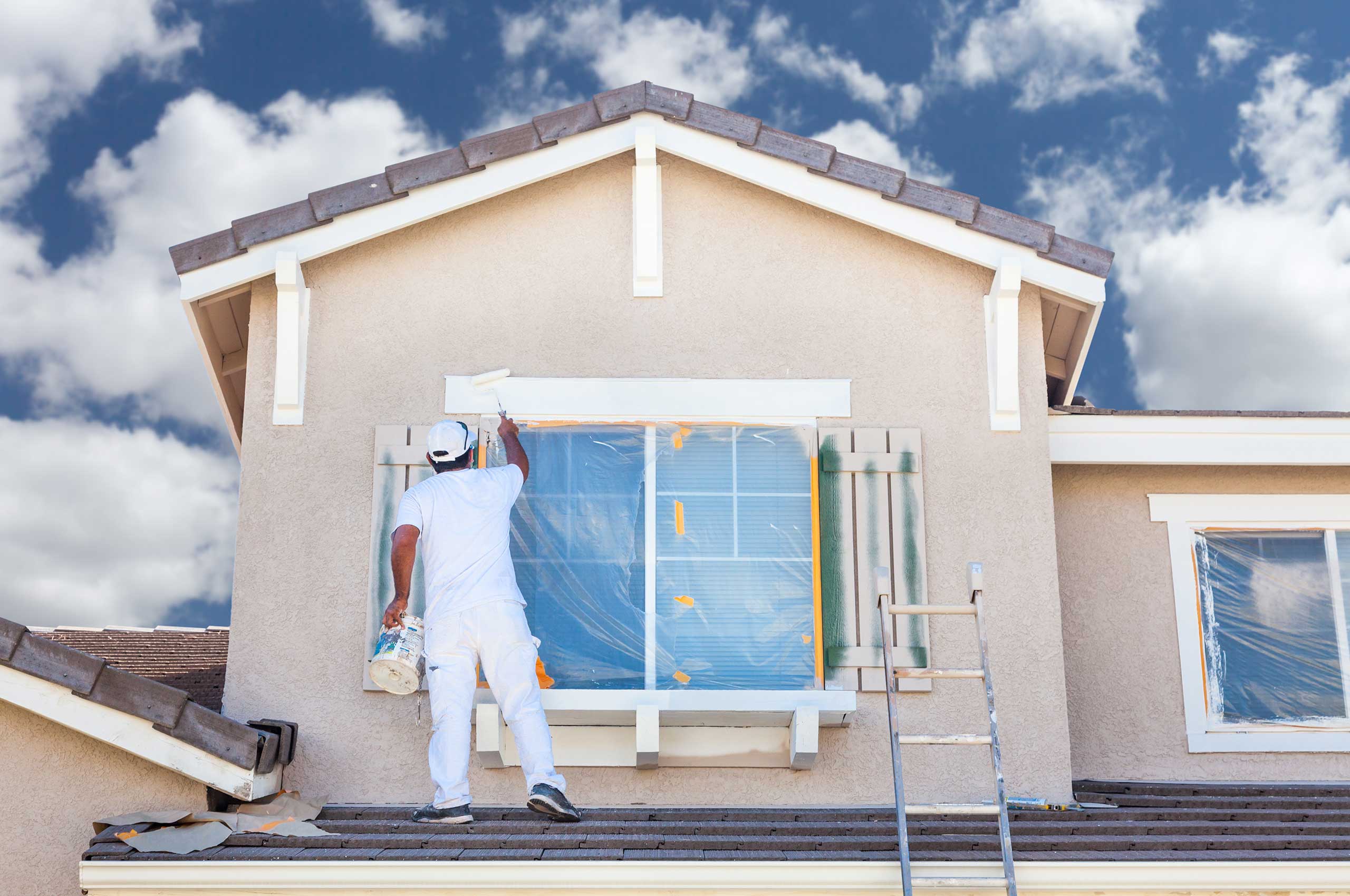
- Formulated to withstand the elements, including UV rays, rain, wind, and temperature extremes—all common in Dallas and Tarrant Counties.
- Contains mildewcides and fungicides to prevent mold and mildew growth, which is especially helpful in humid or rainy conditions.
- Resists fading, cracking, and peeling over time, ensuring your home or business looks fresh for years.
- Interior Paint:
- Made to handle daily wear and tear without breaking down.
- More resistant to scuffs, stains, and cleaning—ideal for living rooms, kitchens, and hallways.
- Typically softer and more flexible to work with.
VOC Levels & Indoor Air Quality
The chemicals in paint can significantly affect indoor air quality. The key factor here are Volatile Organic Compounds (VOCs), which evaporate into the air during and after painting.
- Exterior Paint:
- Contains higher VOC levels to improve durability and adhesion.
- It should never be used indoors, as the fumes can be hazardous in enclosed spaces.
- Interior Paint:
- Formulated with lower VOCs to maintain safe air quality.
- Available in zero-VOC options for health-conscious homeowners.
Paint Finish & Aesthetic Differences
Paint finishes impact both the durability and appearance of your final project.
Exterior Paint Finishes
- Exterior paint is typically available in flat, satin, and semi-gloss finishes.
- Flat: Reduces glare and hides imperfections but is harder to keep to clean.
- Satin: Offers a slight sheen and is easier to maintain.
- Semi-Gloss: Adds durability and is ideal for places you want to highlight, like doors and trim.
Interior Paint Finishes
- Interior paint offers a broader range of finishes to suit different aesthetics and practical needs.
- Matte: Great for ceilings and low-traffic areas, but more difficult to clean.
- Eggshell: A popular wall choice, balancing durability and a soft sheen.
- Satin: Ideal for kitchens and bathrooms where moisture resistance is needed.
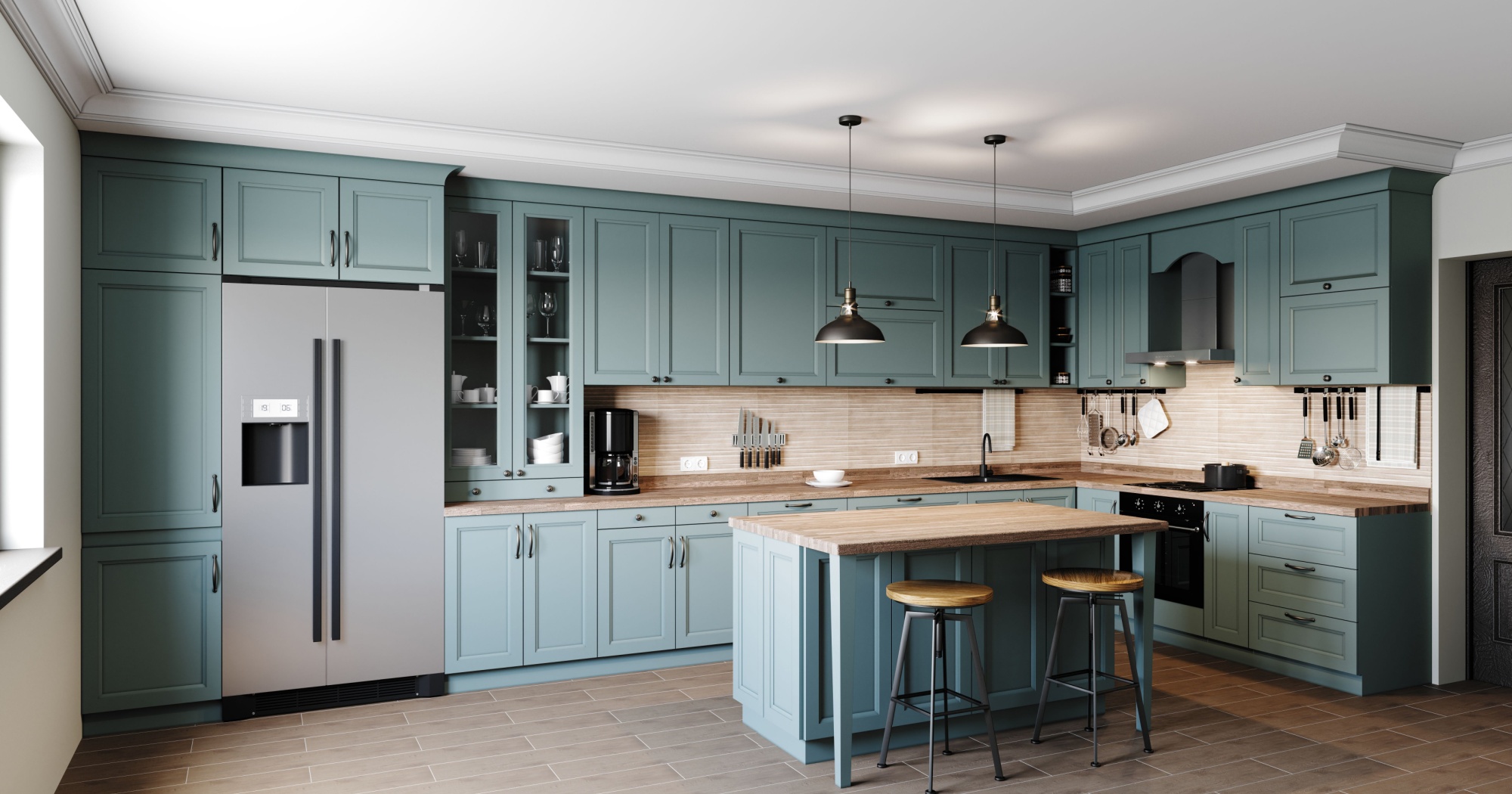
- Semi-Gloss & High-Gloss: Best for trim, doors, and cabinets, as they are easiest to clean.
Cost Considerations: Exterior vs. Interior Paint
Budget plays a significant role when planning a painting project. While the cost of paint varies by brand and quality, exterior and interior paints also differ in price due to their unique formulations and performance requirements.
Factors That Influence the Cost of Paint
Several factors contribute to the overall cost of a painting project, including the type of paint, the size of the area to be painted, and the amount of preparation required. Here’s how exterior and interior paints compare in terms of cost:
- Exterior Paint Costs
- It is more expensive per gallon due to its enhanced durability, weather resistance, and protective additives.
- Requires additional primers and sealants to protect against moisture, UV rays, and temperature fluctuations.
- May demand more coats to withstand the harsh Texas climate, leading to higher labor and material costs.
- Painting stucco, brick, or wood may require extra paint and preparation due to their porous nature.
- Interior Paint Costs
- Generally less expensive since it doesn’t require weather-resistant additives.
- It covers smoother surfaces (like drywall and plaster) more efficiently, reducing the number of coats needed.
- Low-VOC and specialty interior paints may be pricier but contribute to better indoor air quality.
- Less preparation is needed compared to exterior painting, lowering overall labor costs.
Long-Term Value and Investment
While exterior paint may cost more upfront, it’s an investment in your home’s protection and longevity. A well-applied exterior paint job can last 7-10 years or longer, reducing the need for frequent repainting.
Interior paint, on the other hand, may require touch-ups or complete repaints more often, especially in high-traffic areas like kitchens and hallways. However, since interior paint is more affordable, regular updates are more manageable and less costly.
Why Using the Right Paint Matters in Texas Homes
Homes in Dallas and Tarrant Counties face extreme weather conditions throughout the year, from intense summer heat to sudden winter freezes. Choosing the right paint helps maintain your home’s curb appeal and structural integrity.
Exterior paint must withstand sun exposure, heavy rain, and humidity without fading or cracking.
Interior paint needs to hold up against daily activities, cleaning, and minor abrasions without deteriorating.
What Happens If You Use the Wrong Paint?
Using interior paint outside can result in the following:
- Rapid fading from UV exposure.
- Cracking and peeling due to temperature fluctuations.
- Mold and mildew growth due to a lack of protective additives.
Applying exterior paint indoors may cause:
- Excess fumes and strong odors that linger in enclosed spaces.
- Poor adhesion on drywall and other smooth surfaces.
- Difficulty cleaning compared to specialized interior formulas.
Always choose the right type of paint for your specific application to avoid costly repainting.
Choosing the Right Paint for Your Home or Business
When to Use Exterior Paint
- Home exteriors (brick, stucco, siding)
- Garage doors
- Fences & decks
- Outdoor furniture
When to Use Interior Paint
- Walls & ceilings
- Cabinets & trim
- Furniture & built-ins
- Doors & molding
How to Make the Right Choice
- Consider durability: Exterior paint is best if the surface is exposed to weather.
- Think about safety: Low-VOC interior paint is safer if the space is enclosed.
- Factor in finish and cleaning: Interior paint is designed for smooth, easy-to-clean surfaces.
Get Expert Painting Services in Dallas & Tarrant Counties
At Munoz Painting Company, we know the importance of using the correct type of paint for the right project. Our experienced painters can guide you in choosing interior and exterior paints that suit your property’s needs, ensuring long-lasting results.
Why choose Munoz Painting Company? We provide expert recommendations for the best paints and finishes, ensuring top-quality application for lasting durability and beauty. Offering both residential and commercial services, we proudly serve homes and businesses across Dallas and Tarrant Counties.
Whether you’re looking to repaint your home’s exterior or paint interior spaces, our skilled team ensures a professional, high-quality finish every time.
Contact Munoz Painting Company today for a free estimate, and let’s bring your vision to life!




Leave A Comment